CNC Aluminum vs Cast Bronze Plaques: Material, Weight and Quote Scope
Written by: AeroSignage GlobalReviewed by: AeroSignage Editorial TeamPublished:Updated:
Compare CNC-carved aluminum and cast bronze as complete purchases: the required metal, finished assembly weight, fixing, changing text, samples and quotation scope. This guide helps buyers obtain comparable proposals without confusing a bronze-colored surface with real bronze.
Should you specify CNC aluminum or cast bronze?
Start with the required metal and the installation. CNC aluminum is useful for variable room numbers and names when aluminum meets the brief. Cast bronze remains a distinct option when bronze material or a cast construction is required. A bronze-effect finish does not turn aluminum into bronze. Compare finished weight, fixing, sample approval and the same drawing and quantity schedule before judging cost or delivery; neither route is always cheaper or faster.
CNC carved aluminum can support variable numbers, relief details, aged finishes, and smaller custom runs without a new casting mold for every variant.
1. The buying question is not which material sounds more premium
First identify the non-negotiable requirement. Does the buyer require bronze as the actual metal, a cast construction, a particular weight or simply a warm aged appearance? Those are different specifications. CNC and casting describe processes; aluminum and bronze describe materials. Bronze can also be machined, and aluminum can also be cast. This comparison concerns the two named proposals, not a rule that each metal has only one manufacturing route.
Write the base material and finish on separate lines. An aluminum plaque with a bronze-effect surface is a legitimate alternative when it meets the brief, but it does not satisfy an explicit bronze-material requirement without approval of that change. Likewise, a photograph of a bronze plaque does not establish its alloy, thickness, back construction or fixing.
Make weight an assembly-level check. Aluminum is lighter than bronze for comparable material volume, but the finished product includes its actual thickness, backing, inserts and hardware. Obtain finished weight and packed shipment information rather than estimating shipping or mounting from the face material alone. A change in material may require a different fixing design even when the front dimensions stay the same.
2. CNC aluminum is strong when the design keeps changing
A room-number program may use one border with many numbers, suite names and address layouts. CNC machining lets those variants be managed through drawings and toolpaths. Give every variant a sign code and quantity, and identify the longest text, smallest detail and any change in size. The benefit is a controlled way to manage differences, rather than assuming every design can use the same setup.
Ask what the quotation includes for drawing preparation, programming, samples, changed copy, finishing and assembly. Deep machining, intricate corners and hand-finished surfaces still require work. A replacement number also needs the retained drawing and finish reference; a digital file alone does not guarantee an exact visual match to a weathered or hand-aged sign.
Cast plaques can be customized too. Do not assume every new number needs an entirely new mold or that casting only works for identical repeats. Ask the foundry how its proposed process handles variable wording, tooling ownership or reuse, and later revisions. Compare the actual methods offered for your schedule.
3. Cast bronze is still valuable for the right use case
A heritage entrance, donor plaque or commemorative object may specify bronze because the metal itself is part of the design. Confirm the proposed alloy, cast construction, thickness and surface treatment instead of treating bronze as a color name. Where the owner expects a particular patina or maintenance regime, include that requirement in the sample approval and supplier care instructions.
Review the mounting at the same time as the material. Ask for complete weight, fixing positions, hardware and a template where applicable. The installer needs the real wall or support construction to determine how the load is carried. Neither bronze nor aluminum should inherit a tape-only fixing by default from a visually similar plaque.
Tape selection is specific to the surfaces it contacts. For example, 3M notes that copper-containing metals can oxidize at a bond and calls for appropriate surface treatment and adhesion testing. This does not make a particular tape suitable for a heavy plaque. Require a fixing proposal based on the complete sign, substrate, exposure and selected product instructions.
Review a finished assembly, not only a machining photograph. Check the numeral faces, recessed fields, inside corners, edges and visible sides. Record where brushing, polishing, paint, decorative aging or printed detail belongs. Specify any protective coating and the cleaning method the supplier recommends for that exact surface.
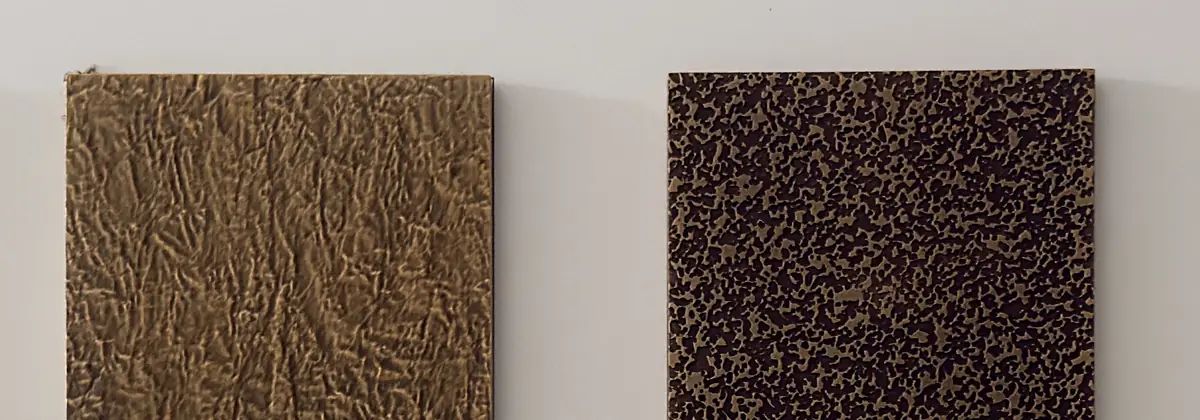
For a bronze-effect aluminum alternative, approve its appearance on its own terms. It can provide a chosen color and relief treatment, but it should not be sold as having bronze composition, mass or natural aging. View the proposed alternatives under the intended lighting and document which differences the buyer accepts.
Use the sample record to control production and later checks: drawing revision, base material, overall dimensions, relief zones, finish reference, back construction and fixing. If the surface is hand-aged, keep an agreed variation range. Close-up images help remote review, while a physical sample also lets the buyer evaluate edges, scale, weight and installation fit.
5. Choose by production logic, not by habit
Send the same drawing and message schedule for both proposals, and identify which material or construction differences are permitted. Match the delivered scope: finished plaques, hardware, samples, templates, protective packaging and destination. A lower face-only price is not directly comparable with an installed-ready assembly that includes those items.
Compare costs and timing only after the suppliers identify their assumptions. Separate preparation from per-piece production where the proposal allows, and ask what changes if text or quantity changes. Review freight on the proposed packed shipment rather than an assumed weight saving. No general material comparison can establish the order price, lead time or service life of your specific plaque.
For an AeroSignage quotation, send dimensions, the full variant list, finish reference, installation photographs and delivery location, and state whether real bronze is mandatory or an aluminum alternative is acceptable. AeroSignage orders start at one piece; the offered construction, availability, price and timing are confirmed for the order. Keep the approved specification with replacement sign codes for future enquiries.
Use the same comparison brief for both proposals
RFQ field
State once for both suppliers
Ask each proposal to confirm
Material and process
Required metal, allowed alternatives and whether casting is mandatory
Actual substrate or alloy, fabrication process and any deviation
Drawing and variants
Overall dimensions, relief layout, exact text and quantity for every variant
Drawing preparation, variant handling and approval revision
Weight and installation
Wall or support construction, exposure and permitted attachment methods
Finished assembly weight, fixing hardware and template scope
Finish and sample
Marked color or sample reference, acceptable variation and cleaning conditions
Representative sample, treatment of all visible surfaces and care instructions
Packing and delivery
Destination, identification labels, protection and delivery requirement
Included packing, shipment assumptions, quoted transport terms and timing
Later changes
Expected additional numbers or replacements and retained sign codes
Revision procedure, retained records and replacement quote basis
Decision Factor
CNC Carved Aluminum
Cast Bronze
Material requirement
Aluminum remains aluminum, including with a bronze-effect finish
Confirm the bronze alloy and cast construction required by the brief
Customization and preparation
Drawings and toolpaths manage variants; preparation and detail still require review
Custom text is possible; ask how the actual casting process handles variants and tooling
Weight and mounting
Review the entire assembly, backing and hardware, not the face metal alone
Obtain finished weight and a fixing proposal appropriate to the real support
Finish approval
Approve decorative effect, visible edges, protective treatment and cleaning
Approve the actual bronze surface, intended patina and care requirements
Comparable quotation
Include preparation, pieces, finish, hardware, samples, packing and shipment scope
Price the same delivered scope and identify any permitted specification differences
From selection to an approved sample
Keep the specification, sample and quotation in agreement
Record the actual base material, finish reference, dimensions, mounting surface and approval owner. Use the sample checklist to note what is accepted and what still needs confirmation before the production release.
Local codes, accessibility requirements, engineering details, and order-specific claims must be confirmed for the destination market before production.
FAQ
Is CNC carved aluminum cheaper than cast bronze?
Not always. Compare offers based on the same drawing, variants, finish, hardware, sample and delivery scope. Programming, relief depth, hand finishing and tooling assumptions can change the result. Obtain order-specific quotations rather than applying a fixed saving.
Can CNC aluminum look like bronze or brass?
A decorative finish can provide an approved bronze or brass appearance. The substrate remains aluminum, and the proposal should identify it separately from the finish. Do not infer real bronze or brass composition, weight or aging from the color.
When should I choose cast bronze?
Consider it when the buyer requires actual bronze or a cast construction. Confirm the alloy, design, surface treatment, complete weight and fixing with the proposed supplier. An alternative material needs explicit acceptance if the specification mandates bronze.
Which route is better for hotel room numbers?
CNC aluminum is worth evaluating when numbers or names vary and aluminum is acceptable. Compare a representative sample and the complete room schedule. If bronze itself is required, ask how the casting supplier handles variable copy and replacements rather than assuming casting cannot be customized.
What should I send for comparison pricing?
Send one controlled drawing set, dimensions, text and quantities by variant, required material, permitted alternatives, finish reference, mounting surface photographs, sample requirement and delivery destination. Require each quotation to state what hardware, packing and preparation it includes.
Explore custom carved relief plaque routes
Start from the product page, then use these guides to explore whether CNC relief fits the project, how to specify material and depth, and how to describe antique copper or brass-effect finishes before sending artwork.